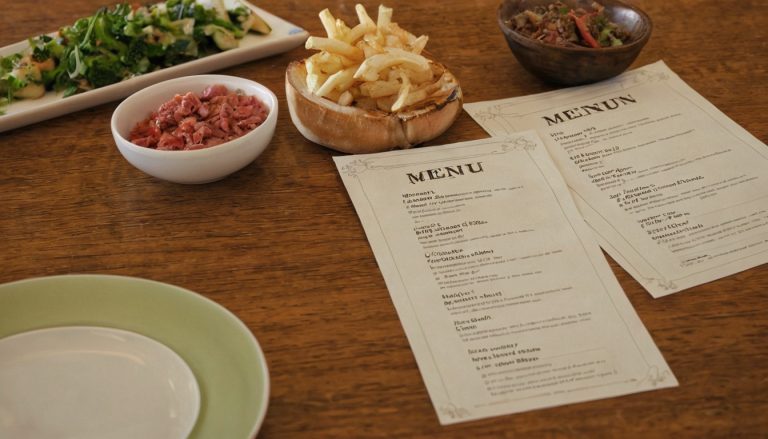
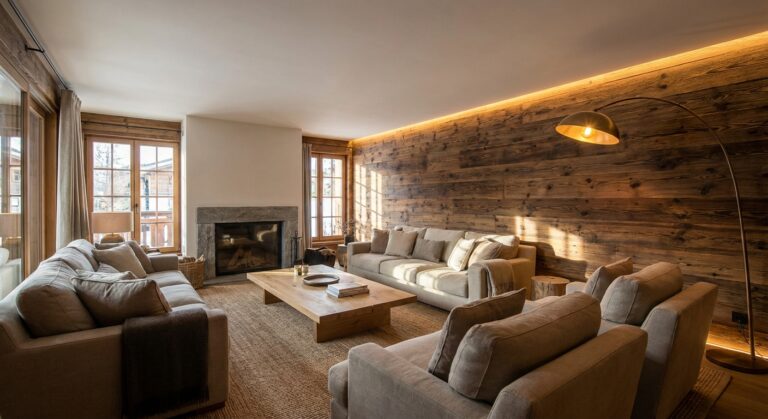
How to Choose Diner Chairs That Survive Turnover, Cleaning, and Long Guest Sits
In a busy dining room, one diner chair may be pulled, occupied, wiped, slid, and reset dozens of times before the owner notices the first wobble, scrape, or cracked seam. The buying question is not which chair photographs well on opening week, but which chair survives that loop without slowing service, damaging floors, or making guests shift through the meal.
The best diner chairs are specified for service volume, cleaning frequency, and guest dwell time
The best diner chairs for a restaurant match the dining room’s real operating pattern: breakfast turnover, casual lunch resets, family dining, bar seating, or longer steakhouse-style meals. The chair decision should start with covers per day, cleaning routine, table spacing, and expected sit length, not the catalog photo.
A chair can look right during purchasing and fail during Tuesday lunch. The visible failure may be a torn vinyl seam, a wobbly leg, a black scrape across light flooring, or a guest shifting through dessert because the seat pan has no support. The hidden cause usually came earlier: the restaurant bought restaurant chairs as decor instead of as high-contact operating equipment.
- Define the room type first: diner, cafe, bar, casual restaurant, family dining room, or steakhouse. Each room asks different work from the same chair.
- Estimate daily covers: a breakfast diner with constant resets needs different durability than a dinner-only steakhouse with longer reservations.
- Map peak table turns: lunch rush, brunch, pre-theater dinner, and late-night bar seating create different lifting, sliding, and cleaning loads.
- Time the average sit: a short coffee-and-eggs visit rewards quick wipeability, while a steak dinner needs better seat support and a calmer acoustic feel.
- List cleaning products and frequency: staff may wipe seats between turns, clean frames after close, and scrub bases during weekly detail work.
- Price the full chair package: include freight, assembly, spare glides, replacement seats, upholstery repair, and storage needs, not only the unit price.
Diner chairs for fast turns need different priorities than chairs for long guest sits
Fast-turn diner chairs should reset with little friction. A breakfast room needs chairs that staff can pull back, wipe, return to the table, and align again without catching on table bases or gouging the floor. Smooth seats, sealed edges, stable frames, and replaceable glides often matter more than a thick cushion.
Cafe and lunch-counter seating asks for a slightly different balance. Guests may sit with laptops, coats, or bags, but staff still need a light enough chair to sweep beneath at close. A chair that feels solid to the guest but exhausting to lift becomes a labor problem after hundreds of movements per week.
Steakhouse and dinner-service chairs can tolerate a slower reset, but they cannot punish long sits. A guest ordering cocktails, ribeye, sides, wine, and dessert notices seat depth, back angle, cushion compression, and noise from the next table. Comfort does not mean oversized furniture. Comfort means the guest can remain settled while servers still pass, pour, clear, and present the check.
Restaurant furniture chairs should be chosen as part of the table, aisle, and server path system
Diner tables and chairs work as one system. A chair that suits a freestanding two-top may crowd a banquette table, pinch a community table, or block the server path near the point-of-sale station. The right chair width depends on table base shape, apron height, aisle pinch points, and how far guests push back before standing.
Restaurant tables and chairs also need to support the real guest mix. Families bring strollers and high chairs. Older guests may need more stable chair backs for entry and exit. Bar guests may drag chairs between tables unless the layout discourages it. Outdoor or sidewalk seating adds more clearance pressure because furniture can drift outside the planned footprint.
A practical chair shortlist should be tested in the room, not only reviewed on a screen. Place a sample chair at a two-top, a four-top, a banquette edge, the tightest aisle, and the table closest to the kitchen door. Ask one server to carry plates through the path, one busser to reset the table, and one manager to inspect the floor after the chair slides. If the chair passes the layout test, the next failure point is the frame material underneath the finish.
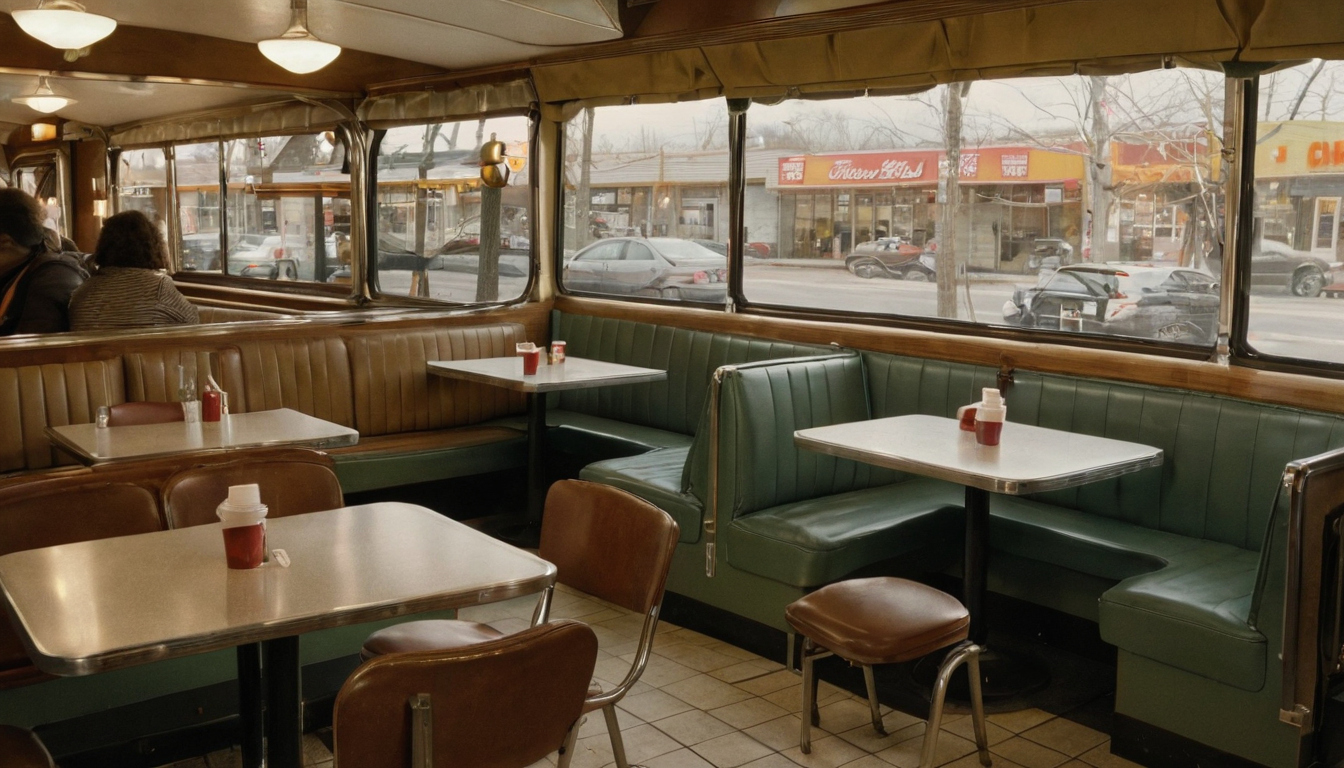
The best diner chairs are specified for service volume, cleaning frequency, and guest dwell time shown as an editorial planning reference.
Which diner chair frame materials survive daily restaurant use?
Commercial diner chair frames usually survive best when the frame material, joint construction, finish, and warranty all match the room’s abuse level. Metal, solid wood, bentwood, laminate, and molded shells can all work, but the right choice depends on moisture exposure, chair movement, cleaning method, and replacement-part availability.
Metal diner chairs are strong when welds, powder coat, and glides are serviceable
Metal diner chairs suit high-turnover rooms because steel, aluminum, chrome-look frames, and powder-coated frames tolerate frequent pulling, stacking, and wiping better than many decorative residential chairs. The weak point is rarely the tube itself. The weak points are welds, screw plates, back attachments, finish chips, and missing glides.
Commercial metal restaurant chairs should come with a manufacturer specification sheet that names the frame material, intended use, weight rating or contract-use rating, indoor-only or indoor-outdoor status, stackability limits, glide type, and warranty coverage. A chair described only by color, style, or “retro diner look” has not answered the operational question.
Powder coat and chrome finishes need separate attention because finish failure changes both appearance and maintenance. A scratched black leg in a steakhouse reads as neglect under low lighting. A chipped chrome chair in a diner catches the eye beside a clean laminate tabletop. A rust-prone frame on a damp patio or near aggressive mopping should be rejected unless the manufacturer rates the chair for that exposure.
Glides decide whether a metal frame feels durable or punishing. Hard plastic glides on tile can scrape. Missing glides expose metal edges that damage floors and create sharp noise during resets. For metal diner chairs, ask whether glides are replaceable, stocked, and matched to the dining room floor.
Wood and bentwood restaurant chairs need finish quality and joint strength more than visual style
Wood restaurant chairs give a warmer dining room signal than metal, which helps cafes, casual restaurants, wine bars, and steakhouses soften the room. Wood fails when finish quality and joint construction cannot handle daily dragging, wet cleaning, chair-to-table contact, and guest weight shifting.
Solid wood, bentwood, plywood, veneer, and engineered components behave differently under stress. A bentwood chair can work beautifully in a cafe if the frame is contract grade and the finish resists cleaning. A low-cost wood-look chair can loosen at the back, wear through at the front seat edge, or swell where mop water reaches the legs.
Finish chemistry also belongs in the frame conversation, not only the maintenance conversation. The U.S. Environmental Protection Agency identifies paints, varnishes, waxes, cleaning products, building materials, and furnishings as common indoor sources of volatile organic compounds, so finish selection, refinishing, and cleaning practices should fit the restaurant’s indoor air and ventilation plan where those products are used indoors: EPA guidance on volatile organic compounds and indoor air quality.
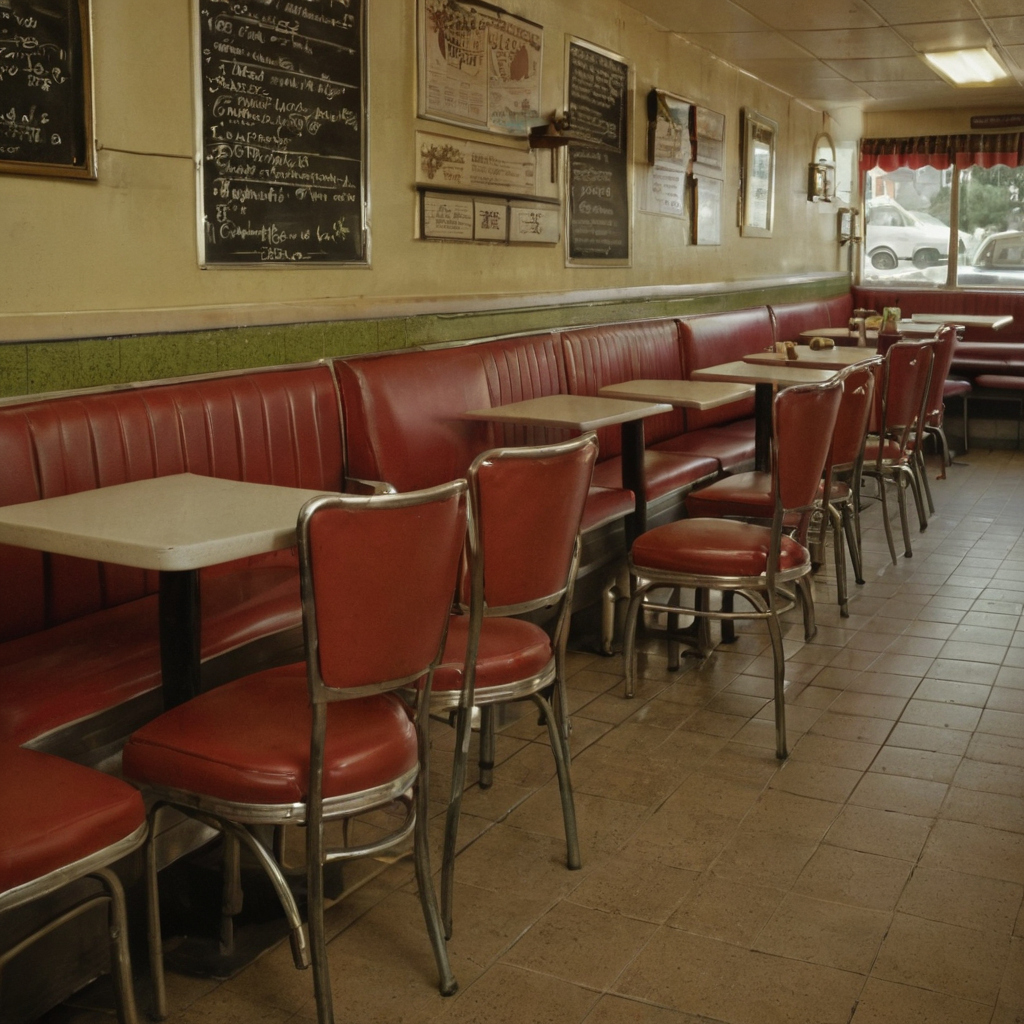
Which diner chair frame materials survive daily restaurant use shown with practical context cues.
Molded and laminate diner chairs can simplify cleaning if they meet contract-grade standards
Molded and laminate diner chairs can solve the crumb-trap problem because a continuous shell gives staff fewer seams, buttons, and crevices to wipe. That advantage disappears if the chair was built for a home kitchen rather than a dining room that resets all day.
Commercial molded polypropylene, fiberglass-style shells, laminate chairs, and vinyl-edge diner chairs need proof of contract suitability. The purchase file should include the chair’s commercial-use statement, weight rating, warranty terms, cleaning restrictions, replacement glide details, and edge construction. Edges matter because laminate chips, exposed substrate, or peeling vinyl trim turn a cleanable chair into a sanitation and appearance problem.
Molded shells also need a stability check with the actual diner tables and chairs layout. A light chair can help servers move quickly, but a chair that skates across polished concrete or tips when a guest reaches sideways creates a different operating cost. Once the frame can survive the room, the next test is whether the guest can sit comfortably long enough for the concept without slowing the table turns.
Comfortable diner chairs balance seat support, back angle, and table-turn goals
Comfortable diner chairs do not need to feel like lounge furniture, but they must avoid hard pressure points during a full meal. In commercial dining rooms, comfort comes from seat width, contour, padding density, back angle, edge shape, and how the chair fits the table height and guest posture.
What type of diner chair is best for sitting long hours?
The best diner chair for longer sits has a stable commercial frame, a seat that supports the thighs without cutting into the back of the knees, and a back that lets the guest sit upright without perching. For most dining-height setups, operators should compare the chair’s seat height, seat width, seat depth, back height, and overall width against the exact tables already selected.
A chair that feels good for a ten-minute sample sit can still fail during a steakhouse dinner, family meal, or slow cafe visit. The risk points usually show up in this order:
- Seat height: Typical dining chairs often land near 17 to 19 inches high, but the final fit depends on the table height, apron depth, and cushion compression.
- Seat depth: A deep seat can feel generous, but it can push shorter guests away from the backrest and make them lean forward through the meal.
- Seat width: A narrow chair may save inches on the floor plan, but it can make coats, hips, and side movement feel cramped.
- Front edge: A sharp wood, laminate, or molded edge creates pressure under the thigh during longer dwell times.
- Back angle: A slightly reclined back can improve comfort, but too much recline encourages lingering and may interfere with the server path behind the chair.
Fast-turn diners and breakfast cafes can accept a firmer, more upright chair if the seat edge and back support are kind. A casual restaurant or steakhouse needs more forgiveness because guests sit through drinks, appetizers, entrees, dessert, and payment.
Upholstered diner chairs must be judged by seams, foam, vinyl grade, and repairability
Upholstery can make diner chairs more comfortable, but soft does not automatically mean durable. A commercial upholstered chair should be judged by the seat pad construction, seam placement, foam recovery, stain resistance, cleaning compatibility, and whether the seat or back pad can be replaced without discarding the whole chair.
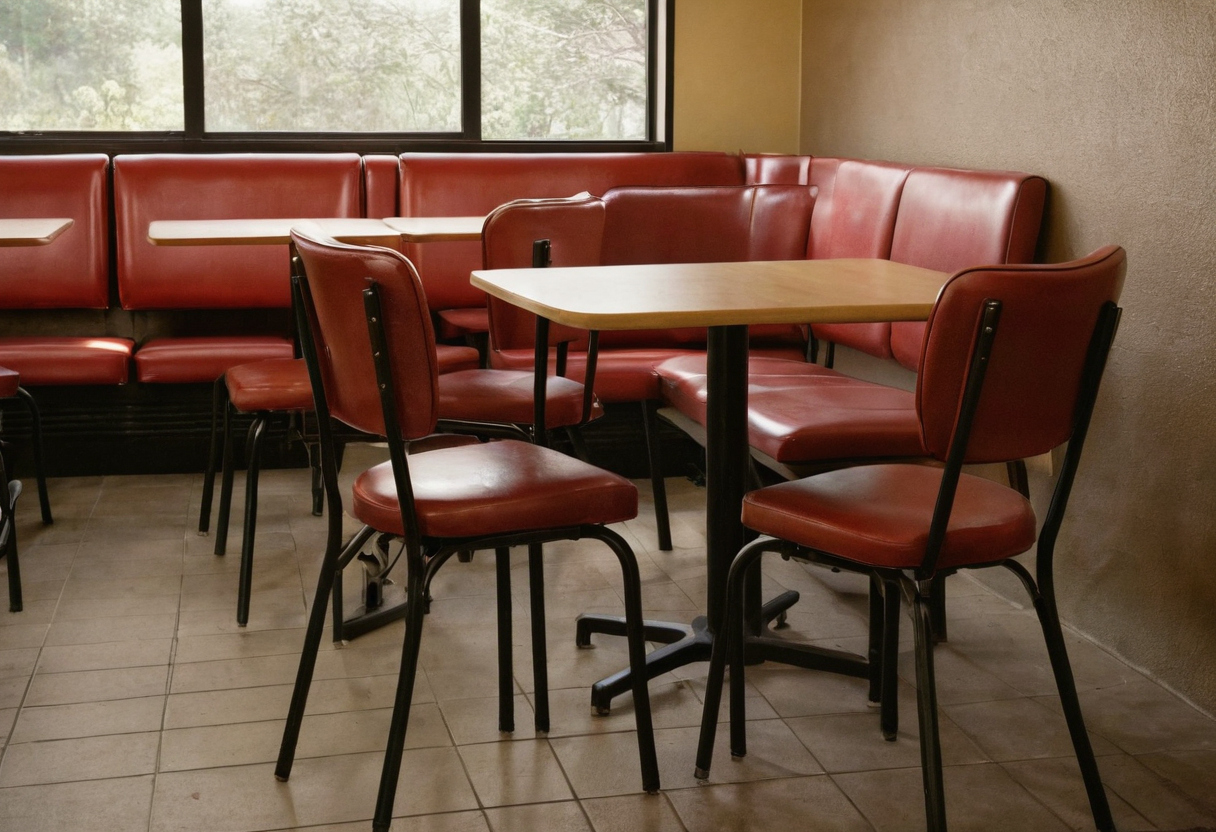
Comfortable diner chairs balance seat support, back angle, and table-turn goals shown with practical context cues.
Foam failure usually feels like a dip, not a break. Once foam compresses unevenly, guests feel the hard base under the cushion, and staff start seeing wrinkled vinyl, stretched corners, or cracked seams. Vinyl and fabric choices should match the restaurant’s actual cleaning products, not the sample-room label. A breakfast diner wiping syrup, sanitizer, and coffee from seats all day has a different risk profile than a bar wiping condensation and wing sauce at night.
Seams deserve special attention because seams collect crumbs, moisture, and cleaning residue. Channel backs, button details, and decorative piping can look period-correct in a diner, but those details add cleaning labor if the dining room turns tables all day.
Armless restaurant chairs usually support tighter layouts, while arms change clearance and access
Armless restaurant chairs usually work better where table count, aisle clearance, and fast resets matter. Staff can tuck armless chairs under tables more easily, guests can enter from the side, and bussers have fewer protruding edges to clip with trays or hips.
Chairs with arms can improve comfort for some guests and may support a more settled, steakhouse-style posture, but arms increase the chair’s overall width and change how the chair fits under the table. Arms also interact with table aprons, pedestal bases, booths, and corner banquettes. A chair that measures well in isolation can become awkward once a guest pulls it back into the aisle.
Outdoor and sidewalk seating adds another access layer. The ADA National Network explains that restaurants and bars extending tables and chairs onto sidewalks or adjacent outdoor areas must maintain an accessible route and address accessibility barriers when required by the ADA. That means comfort decisions cannot stop at the chair body. The floor plan must still let people move, sit, serve, and exit safely.
Comfort only becomes a real specification after diner tables and chairs are measured together, because the next failure point is not the cushion. It is the space around the chair.
Diner tables and chairs must be measured together before the floor plan is finalized
Diner tables and chairs should be specified as a paired system because a comfortable chair can fail if the table apron, pedestal base, booth spacing, or aisle width is wrong, and U.S. restaurant projects also need checks against applicable accessibility rules and local building-code requirements.
| Measurement to check | Why it matters in service | Common failure to avoid |
|---|---|---|
| Table height, apron depth, and base footprint | Guests need knee room, servers need predictable table edges, and chairs need to tuck in without hitting a pedestal. | A good chair feels cramped because the apron sits too low or the base blocks feet. |
| Chair width, depth, seat height, and pulled-out depth | The chair must support the guest while leaving room for neighboring seats and server movement. | Chairs look compact on a spec sheet but block the aisle once guests sit down. |
| Booth, column, host stand, and service-station locations | Fixed elements decide where chairs can move, not just where tables fit on a drawing. | A tight corner becomes a daily collision point for trays, bussing tubs, and coats. |
| Accessible dining locations and clear floor space | The 2010 ADA Standards include provisions for accessible routes, dining surfaces, clear floor or ground space, knee and toe clearance, and dining or work surfaces where those standards apply. | A layout meets the target seat count but fails the access review. |
What is the 4-inch rule for seating, and does it apply to restaurant chairs?
The 4-inch rule is informal seating shorthand, not a universal restaurant code. Designers and vendors may use the phrase to describe small spacing allowances between a chair, table edge, or neighboring seat, but restaurant operators should treat it as a prompt to measure the actual furniture package.
Restaurant tables and chairs need a mock-up because the same chair width behaves differently at a square cafe table, a round diner table, a steakhouse two-top, or a banquette with a pedestal base. A chair that tucks neatly under a thin laminate top may jam against a wood apron or cantilever awkwardly over a wide cast-iron base.
Restaurant tables and chairs need clearance for guests, servers, bussers, and mobility devices
Dining-room clearance is a working measurement, not a decorative gap. The U.S. Access Board explains that accessible elements need clear floor or ground space so people with disabilities, including wheelchair users, can approach and use them. Under ADA clear floor space guidance, the minimum clear floor or ground space for forward or side approach is 30 inches by 48 inches, with surface conditions also addressed in the rule where it applies. The same guidance notes that dining and work surfaces require a forward approach where those provisions apply, and knee and toe space can overlap part of the clear floor space when the required dimensions are met. See the U.S. Access Board guide to clear floor space.
Restaurant circulation also depends on the chair in its occupied position. Measure the chair pushed in, pulled out for seating, and occupied by a guest leaning back. Then trace the server path from the kitchen door to the table, the busser path to the dish area, and the guest path to restrooms and exits. If a chair back becomes the narrowest point in the room, the chair has become part of the aisle.
Outdoor diner tables and chairs need a separate check. The ADA National Network states that sidewalk dining layouts must leave enough width for an accessible route in addition to restaurant tables and chairs, with an accessible route generally at least 36 inches wide and limited reductions to 32 inches in certain short conditions. The same guidance addresses walking-surface slope limits for accessible routes, including a maximum running slope of 5 percent and maximum cross slope of 2 percent, where those requirements apply. See ADA National Network guidance on sidewalk dining.
Small dining rooms need narrower chairs only if comfort and stability are not compromised
Narrower diner chairs can protect table count, but width alone does not make a small dining room work. A narrow chair with a shallow seat, weak rear-leg stance, or sharp front edge can shorten guest dwell time in the wrong way: guests leave because they feel squeezed, not because service flowed well.
Small-room planning should compare the lost seat against the lost experience. Family diners may need room for children, coats, and high chairs. Older guests may prefer stable chairs that do not tip or skid during entry and exit. Steakhouses and long-sit casual restaurants need enough seat depth and back support for a full meal, not just a quick coffee.
Moisture-prone areas also deserve attention before the plan locks. If chairs are stored near exterior doors, patio transitions, or damp mop zones, wet spots should not become routine. The EPA guide to mold and moisture advises fixing wet or damp spots promptly to help prevent mold growth in indoor moisture-control contexts. See the EPA moisture guide.
Once the table, chair, aisle, and access measurements work together, the next durability question is more physical: how easily the restaurant chairs clean, how quietly they move, and how simply the team can repair the parts that touch the floor.
The most durable restaurant chairs are easy to clean, quiet to move, and simple to repair
Durability in restaurant chairs is not only about whether the frame breaks. A chair that traps crumbs, squeaks across tile, loses glides, stains permanently, or needs special cleaning labor becomes expensive in daily use. The best diner chairs make resets, closing duties, and maintenance predictable for staff.
Chair glides should match the floor material and be treated as a scheduled replacement part
Chair glides are small parts with large operating consequences. A hard glide that works on carpet can scrape wood, chatter on tile, or mark polished concrete. A soft glide that protects one floor may drag, collect grit, or wear out fast in a busy aisle. The chair specification should name the flooring material, the approved glide type, and the replacement part number before purchase.
Restaurant operators should inspect glides during routine maintenance, not after guests hear scraping or staff notice floor damage. Loose glides, missing feet, exposed metal, and uneven wear turn a good chair into a noise source and a floor repair risk. If the manufacturer or dealer cannot supply replacement glides, screws, feet, and pads without replacing the whole chair, the chair is not serviceable enough for a high-turnover dining room.
Cleanable diner chairs avoid crumb traps, open seams, absorbent edges, and fragile finishes
Cleanability starts with the sample chair, not the cleaning schedule. Staff should look under the seat, along the seat-back junction, around upholstery seams, and at every exposed edge. Crumbs collect in grooves. Sticky spills creep into open seams. Raw wood edges, cracked laminate, loose welting, and textured upholstery can turn a fast wipe-down into extra labor between turns.
Manufacturer cleaning instructions should match the restaurant’s actual sanitizer program. Some finishes, vinyls, coatings, and adhesives react poorly to bleach, alcohol, quaternary ammonium compounds, steam, or abrasive pads. If a chair needs a delicate cleaner that the staff will not use during a rush, the chair will fail in practice even if it looks strong in the catalog. When products that emit volatile organic compounds are used indoors, the U.S. Environmental Protection Agency recommends increasing ventilation during product use, which matters during refinishing, touch-up work, or chemical-heavy cleaning cycles according to EPA indoor air quality guidance.
Restaurant chairs affect dining room acoustics when they scrape, stack, or hit table bases
Chair noise changes the guest experience in hard-surface dining rooms. Tile, concrete, glass, metal bases, and open ceilings can make every drag, stack, and bump feel sharper. A quiet chair has the right glides, stable legs, a frame that does not rattle, and proportions that avoid constant collisions with table bases.
Cleaning behavior also matters. If staff flip chairs onto tables, stack them after close, or drag them during resets, the chair should tolerate that motion without chipped finishes, loose backs, or loud impact points. The next purchase decision should test those daily movements with a sample, warranty language, and lifecycle cost rather than trusting the lowest unit price.
A smart diner chair purchase uses samples, warranty review, and lifecycle cost instead of lowest unit price
A smart diner chair purchase compares total operating cost, not only the quoted chair price. For commercial restaurant furniture chairs, the buying process should include a sample test, warranty review, freight and lead-time check, replacement-part confirmation, and a realistic estimate of cleaning and repair labor.
What dining chairs never go out of style in a restaurant setting?
Restaurant chairs stay visually useful when the form matches the service model and the finish can age without looking neglected. Metal-frame vinyl diner chairs, bentwood cafe chairs, ladder-back chairs, and simple upholstered side chairs all have long lives in the right room because guests understand them quickly and staff can reset them without ceremony.
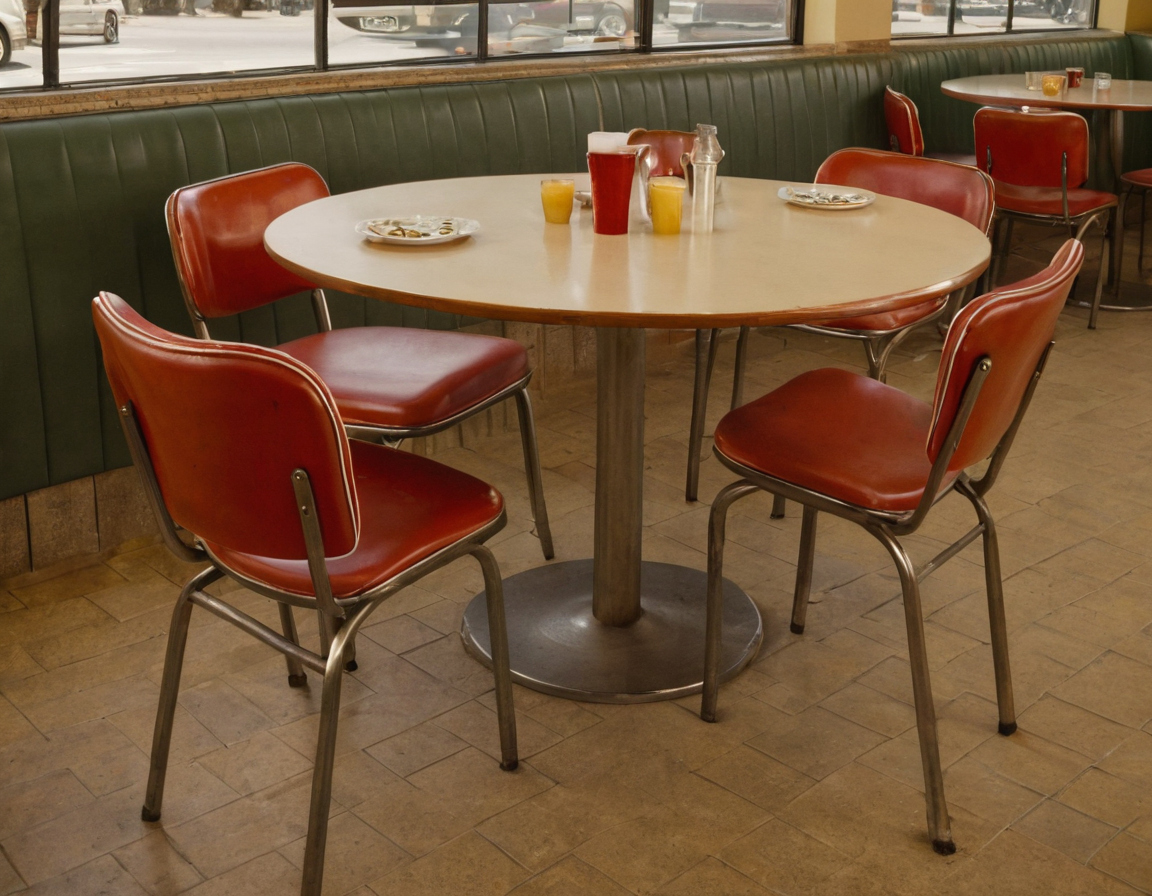
A smart diner chair purchase uses samples, warranty review, and lifecycle cost instead of lowest unit price shown as an editorial planning reference.
Finish choice matters more than trend language. A chrome or black metal frame can suit a diner or bar if the seat wipes clean. A warm wood chair can suit a cafe or steakhouse if the finish tolerates hand contact, table edges, and daily mopping. A neutral upholstered side chair can support longer sits if the fabric, vinyl, seams, and foam can be repaired without replacing the whole chair.
What brand of restaurant chair lasts the longest?
The longest-lasting restaurant chair is not proven by a brand claim alone. A better comparison starts with commercial-use documentation: warranty length, exclusions for restaurant use, published weight rating, frame material, glide type, stackability, indoor or outdoor rating, and replacement-part availability.
Dealer references also matter. Ask whether the same chair has survived in restaurants with similar table turns, cleaning chemicals, floor material, and guest dwell time. A chair that works in a quiet wine bar may fail faster in a breakfast diner where staff slide, lift, wipe, and reset the same seat all day.
Use this pre-order checklist before buying diner chairs
- Test one sample chair on the actual floor for scraping, wobble, lifting weight, stacking behavior, and glide marks.
- Confirm final chair width, seat height, seat depth, and back angle against the approved floor plan.
- Pull the chair under the real table to check apron clearance, pedestal interference, and guest knee room.
- Have servers, bussers, hosts, and managers sit in, move, wipe, and reset the sample during a normal shift.
- Review the commercial warranty and note exclusions for upholstery, outdoor use, finish wear, abuse, and cleaning chemicals.
- Price freight, assembly, storage, installation, minimum order quantities, and lead times before comparing quotes.
- Confirm replacement pricing for glides, seats, backs, screws, and upholstery components.
- Approve the cleaning method with operations before the full order ships.
The best diner chairs are the ones a restaurant can clean, move, repair, and live with after the opening-day photos are gone. Buy the chair as an operating part of the dining room, not as a catalog image with a unit price.
FAQ
These answers translate diner chair selection into operating checks that owners, designers, and managers can use before ordering restaurant tables and chairs.
What type of diner chair is best for sitting long hours in a restaurant?
The best diner chair for long sits has a stable commercial frame, a supportive seat, a comfortable front edge, and a back angle that lets guests sit upright without perching. For steakhouses, family restaurants, and slower cafes, test the chair through a full meal length, not a short showroom sit.
What is the 4-inch rule for seating, and should restaurants rely on it?
The 4-inch rule is informal spacing shorthand, not a universal code rule. Restaurants should not rely on it alone because chair width, table apron depth, pedestal bases, guest pull-back space, and accessible routes all change the real clearance.
Are metal, wood, or upholstered diner chairs more durable for high-turnover dining rooms?
Metal chairs often handle frequent movement well when welds, finish, and glides are serviceable. Wood and bentwood chairs can last when joints and finishes are contract grade. Upholstered chairs add comfort, but durability depends on foam recovery, seam placement, vinyl or fabric grade, cleaning compatibility, and repairable seat pads.
How wide should diner chairs be for comfort without reducing table count?
Diner chair width should be set by the table layout, guest comfort target, and aisle clearance rather than by a single ideal number. A slightly narrower chair can protect table count in a cafe or diner, but the chair still needs stable legs, enough seat support, and enough side room for guests to sit without feeling squeezed.
How can a restaurant tell whether a chair brand is truly commercial grade?
A restaurant should ask for commercial-use documentation, warranty terms, frame material, published dimensions, weight or contract-use rating, stackability limits, indoor or outdoor rating, glide details, care instructions, and replacement-part availability. A sample chair should then be tested on the actual floor with the actual tables before the full order is placed.